
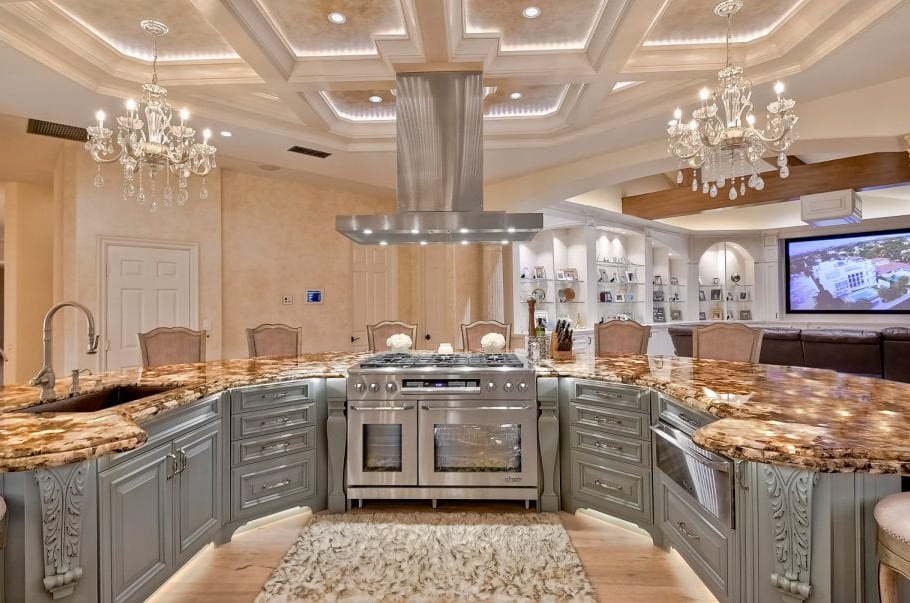
A whole-house renovation in Atlanta can mean repainting and replacing flooring, or it can mean opening walls, replacing every major system, and rebuilding the layout around the way your family lives now. Those are very different jobs. A single online price rarely tells you which one you are budgeting for.
For preliminary 2026 planning, use these Atlanta cost ranges:
- Cosmetic refresh: about $35 to $65 per square foot
- Mid-scope renovation: about $75 to $140 per square foot
- Full-gut renovation: about $140 to $250+ per square foot
Sweeten publishes an Atlanta gut-renovation starting range of roughly $70 to $100 per square foot. That is useful as a market reference, but it is a starting point, not an all-in promise. A 1930s Virginia-Highland house with old wiring, damaged framing, custom cabinets, and a relocated kitchen will not price like a newer home receiving standard finishes in the same square footage.
Here is how the three planning tiers break down.
- Cosmetic refresh, $35 to $65 per square foot: Best for a house with working plumbing, electrical, layout, and windows. This budget commonly includes painting, flooring, trim touch-ups, lighting swaps, basic fixture changes, cabinet refinishing or replacement in limited areas, and surface-level kitchen or bath work. It does not include major structural changes, a full system replacement, additions, pool work, land acquisition, financing costs, or major landscaping.
- Mid-scope renovation, $75 to $140 per square foot: Fits a home that needs several rooms rebuilt, an updated kitchen or bathrooms, selective wall changes, new flooring throughout, drywall work, and targeted electrical, plumbing, or HVAC updates. It may include replacing some windows or insulation where conditions require it. Major additions, broad foundation repair, luxury custom millwork, pool work, financing, and large landscape projects remain outside this range.
- Full-gut renovation, $140 to $250+ per square foot: Fits homes stripped back to framing in much or all of the interior. It commonly includes demolition, new drywall and insulation, major mechanical, electrical, and plumbing work, new kitchens and bathrooms, windows or doors as required, layout changes, structural modifications, and full interior finishes. Budget additions, severe foundation work, extensive site work, pools, land costs, financing, and large-scale landscaping separately.
Square-foot pricing is a budgeting tool. It does not replace measured plans, an existing-condition review, permit research, engineering, material selections, or contractor proposals based on the same written scope.
Atlanta renovation cost by scope: what each price tier includes
The same 2,500-square-foot home can fall into any of these tiers. The condition behind the walls matters as much as the house size.
Cosmetic refresh
A cosmetic refresh works when the house functions well, and you want a cleaner, more current interior without moving major systems.
Work often includes:
- Interior painting and minor drywall repair
- New hardwood, laminate, luxury vinyl, carpet, or tile flooring
- New light fixtures, plumbing fixtures, and hardware
- Cabinet painting, refacing, or selective cabinet replacement
- Countertops, backsplash, vanity replacement, and straightforward tile work
- Limited appliance replacement
The limit is important. Once you remove cabinets and find rotted subfloor, old supply lines, or an undersized electrical panel, the job has moved beyond cosmetic work.
Mid-scope renovation
This is the range many Atlanta homeowners mean when they say they are remodeling the whole house. The house stays largely within its existing footprint, but several rooms receive serious work.
A mid-scope project may include:
- A full kitchen renovation and one or more bathroom renovations
- Selective wall removal or reframing after engineering review
- New interior doors, flooring, trim, paint, and lighting
- Partial electrical rewiring and panel upgrades where needed
- Plumbing replacement in renovated rooms
- HVAC changes related to new layouts
- Drywall replacement, insulation improvements, and selected window replacement
This tier still excludes an addition. If you need new square footage, budget that separately from renovation work. Atlanta home addition costs require their own site, foundation, framing, and exterior-envelope planning.
Full-gut renovation
A full-gut renovation is disruptive, expensive, and sometimes the right answer. It is common when an older home has outdated systems, major layout problems, significant water damage, or a long list of repairs that make piecemeal work wasteful.
The scope often includes:
- Interior demolition down to framing in selected areas or throughout the home
- Full electrical, plumbing, and mechanical replacement or substantial upgrades
- New insulation, drywall, interior doors, trim, flooring, and paint
- Kitchen and bathroom rebuilds
- Window and exterior-door replacement where the project requires it
- Structural beams, framing repairs, and layout changes supported by engineering
- Permit inspections and trade coordination
A gut renovation costs more than a cosmetic remodel with the same square footage because demolition reveals conditions that finishes hide. Every wall opening creates coordination between trades. Code requirements, rough inspections, insulation details, and sequencing also add labor before the finished tile or cabinets ever arrive.
What a whole-house renovation costs for 1,500 to 5,000 square feet
The figures below separate construction from owner-side planning allowances. They assume interior renovation within an existing house, not an addition.
1,500-square-foot home
- Cosmetic refresh: construction subtotal of $52,500 to $97,500; reserve 5% to 10% for contingency, or about $2,625 to $9,750; temporary housing or carrying costs may be $0 to $6,000.
- Mid-scope renovation: construction subtotal of $112,500 to $210,000; reserve 10% to 15%, or about $11,250 to $31,500; temporary housing or carrying costs may be $8,000 to $25,000.
- Full-gut renovation: construction subtotal of $210,000 to $375,000+; reserve 15% to 25%, or about $31,500 to $93,750+; temporary housing or carrying costs may be $20,000 to $60,000+.
2,500-square-foot home
- Cosmetic refresh: construction subtotal of $87,500 to $162,500; contingency of $4,375 to $16,250; temporary housing or carrying costs of $0 to $8,000.
- Mid-scope renovation: construction subtotal of $187,500 to $350,000; contingency of $18,750 to $52,500; temporary housing or carrying costs of $12,000 to $35,000.
- Full-gut renovation: construction subtotal of $350,000 to $625,000+; contingency of $52,500 to $156,250+; temporary housing or carrying costs of $30,000 to $80,000+.
3,500-square-foot home
- Cosmetic refresh: construction subtotal of $122,500 to $227,500; contingency of $6,125 to $22,750; temporary housing or carrying costs of $0 to $10,000.
- Mid-scope renovation: construction subtotal of $262,500 to $490,000; contingency of $26,250 to $73,500; temporary housing or carrying costs of $15,000 to $45,000.
- Full-gut renovation: construction subtotal of $490,000 to $875,000+; contingency of $73,500 to $218,750+; temporary housing or carrying costs of $35,000 to $100,000+.
5,000-square-foot home
- Cosmetic refresh: construction subtotal of $175,000 to $325,000; contingency of $8,750 to $32,500; temporary housing or carrying costs of $0 to $15,000.
- Mid-scope renovation: construction subtotal of $375,000 to $700,000; contingency of $37,500 to $105,000; temporary housing or carrying costs of $20,000 to $60,000.
- Full-gut renovation: construction subtotal of $700,000 to $1,250,000+; contingency of $105,000 to $312,500+; temporary housing or carrying costs of $45,000 to $140,000+.
Big houses don’t always cost less per square foot. Two kitchens cost far more than a hallway. So do five bathrooms, a complicated roofline, tall ceilings, custom stair details, and extensive built-ins.
For example, a 2,500-square-foot Atlanta home with a mid-scope renovation might carry a construction budget of $250,000. Hard construction costs could include demolition, cabinets, countertops, tile, flooring, drywall, painting, electrical work, plumbing work, HVAC adjustments, and labor. Owner-side allowances might include $30,000 for contingency, $15,000 for design and engineering, permit fees, inspections, and $20,000 for temporary housing or mortgage, utilities, and insurance while the home is vacant.
The biggest cost drivers in a gut remodel
Layout changes are expensive because a wall move may involve structure, wiring, plumbing, HVAC, flooring patches, drywall, and inspections. Moving a kitchen is usually far more costly than replacing cabinets in place.
Kitchens and bathrooms drive whole-home totals. Sweeten lists Atlanta kitchen projects starting around $20,000 to $65,000+ and bathrooms around $12,500 to $35,000+. Those are component benchmarks. Two bathrooms, a laundry room, a relocated kitchen, or custom cabinetry can quickly move a whole-house budget.
For room-specific planning, review our kitchen remodel costs and bathroom remodel costs.
Other major cost drivers include:
- Structural modifications and engineering
- Full plumbing, electrical, or HVAC replacement
- Windows, exterior doors, and insulation upgrades
- Custom cabinetry and built-ins
- Appliances, stone, tile, and fixture selections
- Difficult access, demolition disposal, and occupied-home protection
A complete project budget also includes more than trade labor and materials. Contractor overhead pays for project supervision, insurance, office operations, coordination, and business expenses. Profit is separate compensation for taking on project risk and running the work successfully. Design fees, engineering, surveys, permits, inspections, owner selections, and contingency also belong in the budget.
Reserve 15% to 25% for an older or uninspected home. A 5% to 10% reserve fits a newer home only after plans are complete, selections are made, and site conditions are well understood.
Permits, design fees, and temporary housing: costs often missing from online estimates
Major renovations commonly require permits when you alter structure, electrical, plumbing, mechanical systems, or room layouts. Requirements and fees vary between the City of Atlanta, Decatur, Sandy Springs, Marietta, and other metro jurisdictions. They also vary by declared valuation and scope.
Soft costs may include architect or interior designer fees, structural engineering, surveys, energy or code documentation, permit fees, inspections, and utility-service upgrades.
Plan to live elsewhere if your project shuts down the only kitchen and bathrooms, removes major electrical or plumbing systems, or involves a full-gut renovation. Staying in the home during this work usually creates delays, safety problems, and extra protection costs.
Ask every contractor these questions before comparing proposals:
- Which permits and inspections are included in this price?
- What allowances are included for cabinets, tile, plumbing fixtures, lighting, appliances, and countertops?
- Which items are excluded or owner-provided?
- Does the proposal include demolition, debris removal, site protection, and final cleaning?
- How are concealed conditions and contingency handled?
- What assumptions were made about material price changes and lead times?
- Does the scope include engineering, design coordination, or code upgrades?
Frequently asked questions
How much does a whole-house renovation cost per square foot in Atlanta?
A cosmetic refresh may run about $35 to $65 per square foot. A mid-scope renovation may run about $75 to $140 per square foot. A full gut with major systems and structural work may run about $140 to $250 or more per square foot. Sweeten publishes Atlanta gut-renovation starting costs of about $70 to $100 per square foot, but older-home conditions, layout changes, and finish level can increase the final budget.
How much does it cost to renovate a 2,500-square-foot house in Atlanta?
For 2,500 square feet, a cosmetic refresh may cost $87,500 to $162,500. A mid-scope renovation may run $187,500 to $350,000. A full-gut renovation may run $350,000 to $625,000 or more. Add contingency, design and permit costs, and temporary housing if the home cannot remain occupied.
Why do historic Atlanta homes cost more to renovate?
Older homes may conceal electrical, plumbing, framing, foundation, moisture, plaster, lead, or asbestos issues until testing or demolition begins. Historic review and tree or site restrictions can also add time and cost before construction starts.
Do I need a permit for a whole-house renovation in Atlanta?
Major renovations commonly require permits, particularly when they alter structure, electrical, plumbing, mechanical systems, or layouts. Requirements and fees depend on the property jurisdiction and scope. Confirm details with the City of Atlanta or the local permitting department that serves your address before construction begins.
A.I.R. Kitchen & Bath Center is a family-owned Atlanta-area remodeling company with a professional background in construction and architecture. If you are planning a major interior renovation in Johns Creek, Alpharetta, Cumming, or the surrounding metro area, schedule a consultation to review your home, scope, and realistic budget before you commit to a contractor.

Leave a reply